Your NORTHERN NEW JERSEY NEWS INFORMATION LEADER- Connecting Communities through STORIES AND ACTIONS




About Urban Times News
The Urban Times News is an independent newspaper which has been informing the northern New Jersey community since 1995. Venerated by their effectiveness , Bobby Jackson, Glenn D. Cunningham and Joe Cardwell, set a standard among independent newspapers. This local newspaper fueled one of the only undefeated political machines in Hudson County history.


893+ issues
35 undefeated candidate endorsements
Since 1995
The Urban Times News founders intended for the newspaper to be more than a business. They worked to assure it would always be a community pillar, a resource that would not just sit on the sidelines. Today the inspiration of the late Bobby Jackson and Glenn D. Cunningham fuels this continuation. The bi-weekly news in print and its companion website, UTN Online intend to revive an old standard - providing readers with trustworthy clarity about what you see and your next steps. To be legitimate news media, we must return to the principles of accountability and truth. UTN understands this is the only way justice can be an American way.
We are living in times where maniacal powers are threatening the survival of our democracy. To disarm our civic conspirators we will be the voice of inclusion. We will cut through the confusion and reveal the delusions. We will highlight the learning the government will not do. We can act as a community when they try to single us out as individuals. We can plan together to create policies that benefit all of us. That is the UTN mission. That is why we need you. We must have the difficult conversations; accept and respect our differences, and work together to return to saner times. We must take back control of our nation through unity and community. Jersey City is where we start.
148 political policies implemented

Sam Pesin, Liberty State Park, and the Legacy He Rewrote
By Arnold Stovell
This opposition is not new. Sam Pesin was well aware of the 1970s Liberty State Park Master Plan, which explicitly called for recreational development appropriate to an urban environment. That plan envisioned ball fields, active recreation, and amenities for residents, especially Jersey City’s young people, who have limited access to open space.
Yet for more than 27 years, Pesin opposed efforts to implement that plan.
Teenagers, in particular, have been an enduring fault line for Pesin. Proposals for sports fields, youth recreation, or structured activity have routinely met resistance from Friends of Liberty State Park under Pesin’s leadership. Critics argue that this resistance has contributed to a park that is functionally limited for the very communities surrounding it.
Over time, Pesin has extended his father's influence to become a powerful political figure, mounting sustained lobbying efforts with questionable legality. In Trenton he assembles constituents outside of Hudson County to shape the public narratives around “protection” versus “use.”
Supporters view his activities as principled environmentalism, unaware of the selected lies he uses to galvanize support. Detractors see it as selectively presenting information while plotting behind the scenes, marginalizing residents and elected officials who advocate balanced recreation.
That tension has resurfaced once again with Pesin’s close alignment with State Senator Raj Mukherji of the 32nd Legislative District. Since he does not represent that particular portion of Jersey City, Mukherji’s involvement in the Liberty State Park legislation—introduced without consulting any of Jersey City’s 31st District delegation—has raised concerns about outside influence overriding local representation.
At its core, the issue is not whether Liberty State Park should be protected—it should. The issue is protected by whom for whom. Pesin’s Protection Act defends his “supporters” – the restaurants and the boating facility from competition but does not save the community from contamination.
Morris Pesin fought to save Liberty State Park, so it could be enjoyed by Jersey City families. Sam Pesin has fought to keep it largely as his own. No development, personal authority over the D.E.P., and no community involvement. Sen Murkejhi should be ashamed aligning with Sam Pesin. Not only do you disrespect the work of Sen. Cunningham, but you sponsor legislation that would literally privatize Liberty State Park for Sam Pesin. One vision emphasized access, recreation, and community life. The other emphasizes restriction, control, and permanence.
History will ultimately decide which vision better serves Jersey City’s children, families, and future. But what should not be in question is this: Liberty State Park does not belong to any single advocate, organization, or political alliance. It belongs to the public, especially the people who live by it.
Liberty State Park exists today because of a vision rooted in public access, recreation, and inclusion. That vision was championed decades ago by Morris Pesin, a tireless advocate who fought to preserve the land not as a static monument, but as a living park meant to serve people, especially urban families, children, and future generations.
Yet over the past several decades, Morris Pesin’s son, Sam Pesin, has pursued a markedly different path—one that critics argue runs counter to his father’s original intent.
While Morris Pesin supported the creation of a true urban state park, Sam Pesin has built a personal legacy around opposing nearly every proposed addition, memorial, or recreational improvement at Liberty State Park. From athletic fields to structured youth recreation, from memorials to community-serving amenities, Sam Pesin has consistently resisted change—regardless of the proposal, the administration, or the community voices behind it.
Sen. Raj Mukherji is advocating for the duplicitous
Pesin Protection Act -legislation giving control of Liberty State Park to Sam Pesin.
Pesin Plan Is For the Birds
by William Wiley




Without the might of his complicit media friends, Sam Pesin is pressed to maintain all of his affronts to the community. The once imperative action necessary to stop the billionaire from "buying" LSP has been back-burnered. Why? Because Pesin can't maintain his lie about Caven Point and worry about the encroachment of the Boat Basin build-up actually happening in Liberty State Park.
As all maps of Jersey City show, Caven Point is not connected to the LSP site because it is not part of the park. For years, Pesin rotated justifications that it was, courtesy of the Jersey Journal. Caven Point was a sacred burial ground. Then, it was a historical American Revolution battle site. He upped the ante, leading child ecological field trips, ignoring the lingering threat of contamination on Caven's beach. Lastly, he has relied on his bird sanctuary tale, where the island is valuable because non-descript species rest there before their southern migration.
Why the Focus on Fierman?
He would contribute to more recreational space in the underdeveloped acreage of the park. That was the inspiration for his Liberty State Park villain. Fierman threatened to make LSP everything Sam hated.
Sam needed a legion to follow his orders in their own insurrection. They would rally against the lawful procedures and take a second bite of the apple. With enough subterfuge, Sam knew he could slow down Mr. Fierman and avoid more visitors dirtying his park. Fortunately, the honorable Sen. Sandra Cunningham intervened and led development of a new Master Plan.
Working with the community, legislators, and D.E.P., Sen. Cunningham brokered the formation of an inclusive citizens' committee that would oversee the D.E.P. recreation improvements lawmakers financed for $50 million. Sam was a part of this committee and initially supported the effort. But he is always willing to sneak in through the back door.
Here We Go Again
In 2026, Sam has not changed his spots. Deftly harassing our new mayor and motivating the 32nd district Senator to "help negotiate" with the high rollers building a 5-story boathouse. Allegedly this secret assistance did not call for input from any of his 31st disrrict colleagues. that the legislature awarded at first Sam inanced for $50 million. It was a masterful political compromise


The Friends of Liberty State Park believe the best way to protect our Liberty State Park is to give Sam Pesin control. That is not what Senator Sandra Cunningham and the people of Jersey City consented to when a new Master Plan was developed, and funds were allocated by the Statehouse.


Pesin works for control, not for the community. After feigning agreement with the golf course owner, Sam reneged on his promises and worked to block any activity. He did this because he did not want Fierman to use land behind Caven Point to expand his golf facilities. He would bring the 1st Tee Program, an open program for JC youth involvement, meant for all ages, all over his park. Fierman's overall generosity and this accessible program for JC youth (especially teens) would make LSP all he feared.
That expansion would foster PGA opportunities and programs that would benefit the underprivileged youth of Jersey City. Sam did not want youth all over his park. That was his petty sticking point. He wanted his dream of a pristine park, which did not include teenagers or children in general. Mr. Fierman was clear that his efforts included the youth of Jersey City.
Now it seems Sam has found an ally. This wily Senator allegedly joined the team to gain access to wealthy potential clients. Sure, it's not that particular State Senator's district, but who can pass up "helping" Jersey City residents? Through a reportedly anonymous introduction, State Senator Businessman met the would-be boathouse builders. Now all he had to do was push the Pesin Poisin Pill through Committee, and get it on the floor. It seems a wacky conspiracy theory, until you see the same Pesin Protection Act, which was defeated under the watchful eye of Sen Cunningham, mysteriously rise again.
No man has a right to control a State Park!
Do you want a Liberty State Park for families to enjoy?
Are you tired of the disrespect of
Sen. Sandra Cunnigham's work?
Sign the petition, and we will send you a plan of acrtion!
The Chronicler Reviewed....
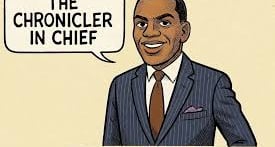
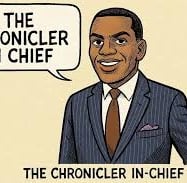
Say what you will about Bruce Alston, he is not one to bite his tongue when it comes to the political scene in Jersey City. You will never hear, "Bruce didn't want to give his opinion!" The “Chronicler in Chief” illustrates both the strengths and the limitations of Jersey City politicians.
On the positive side, the Chronicler is often right about process. In discussing recent mayoral and council races, for example, he reminded us that runoff elections, coalition-building, and turnout dynamics routinely shape outcomes. His emphasis on continuity—how familiar alliances resurface and how institutional inertia slows reform—adds needed realism to JC political coverage.
Too often, public discourse treats election results as sudden shocks rather than the predictable consequences. It's all math, organization, and timing.
Too often, public discourse treats election results as sudden shocks rather than the predictable consequence of math, organization, and timing. His emphasis on continuity—how familiar alliances resurface and how institutional inertia slows reform—adds needed realism to local political coverage.
I have to agree with CC. Most policy disputes (if not personal) are portrayed as ideological battles when they are actually negotiations over resources, putting things into play systemically, and implementation. Zoning fights, budget standoffs, and development delays rarely have clear villains and hardly have heroes. Bruce brings nuance to debates that are often flattened for consumption. These political knots in the system must be untied so we can address what is really happening in the community and how we can affect it. Bruce brings nuance to debates that are often flattened for consumption.
Where the commentary falters is in its treatment of dissent. Community opposition to major redevelopment proposals or administrative decisions is characterized as emotional, uninformed, or performative.
Where the commentary falters is in its treatment of dissent. Community opposition to major redevelopment proposals or administrative decisions is characterized as emotional, uninformed, or performative.
Yet history shows that resident pushback has frequently surfaced legitimate concerns later validated by courts, audits, or policy reversals. Dismissing any resident skepticism too quickly understates its civic value.
The Chronicler in Chief is right about how Jersey City politics operate day to day. Where we differ is in accepting that the operational reality of JC will remain flawed because of political destiny. The financial deficit we face will be challenging, but it does not dictate the fate of Jersey City. There’s a new administration in town and they are going to be chronicled one way or another. Insight serves the public best when it explains constraints without normalizing them. UTN may not always agree with the Chronicler in Chief, but hopefully through our alliance, people will hear the whole story behind political rivals, public disagreements and opportunities to work together from two different perspectives.
Our Resources
Connecting Northern NJ communities with information for empowerment and and partnerships.
Youth Education & Development
New Assoc. Editor: Bobby Jackson
College Degree or Certification?


Small Business Strategy & Improvement
Signs AI May Take Your Job
How To Pivot For Digital Careers
The Multimedia Future


What Is Content Creation?
Over 50 Is not Too Old
Our Multimedia Future
UTN Preparing to Do More
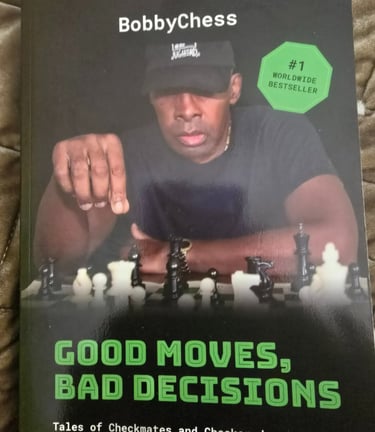
Meet Bobby Stewart, aka Bobby Chess, founder of It's Your Move, a Jersey City nonprofit born from the wisdom of playing. Mr. Stewart is with the Urban Times News Group as Associate Editor. In this role, Mr. Stewart will contribute photography and navigate alliances with local agencies and partner businesses.
Bobby is well aware of the benefits of young men learning how toplay chess. Aside from understanding strategy, the value of chess is vastly underrated. Chess really highlights the soft skills employers always worry about. Can you catch on quickly? Do you have the patience to succeed? Are you an honest and forthright person? All of these questions can be deduced from observing a true chess player. Mr. Stewart has championed this understanding for years and wrote two books outlining its potential advantages, particularly when those skills develop early.
What chess ultimately teaches is the discipline of thought. Every move has consequences, and shortcuts are exposed almost immediately. This insight is a soft skill that is often undervalued. For young men navigating a world that often encourages speed over substance, chess slows the mind down and demands accountability. There is no referee to blame, no teammate to scapegoat, and no luck to lean on. Success or failure rests squarely on preparation, focus, and integrity—qualities that translate directly into classrooms, workplaces, and community leadership.
Mr. Stewart’s work emphasizes that when young men learn early, their reactions become instinctive rather than forced. The ability to think several steps ahead, to recover from mistakes without panic, and to respect both rules and opponents builds confidence that no résumé workshop can manufacture. Employers may not always recognize it immediately, but they respond to it: the calm problem-solver, the employee who learns systems quickly, the leader who doesn’t fold under pressure.
In communities where young men are often judged before they speak, chess offers a quiet but powerful counter-narrative. It demonstrates intelligence without bravado, strength without aggression, and ambition without ego. UTN believes this is why programs rooted in chess deserve sustained support—not as a novelty or extracurricular luxury, but as a serious tool for personal and professional development. As Mr. Stewart has long argued, the board may be small, but the lessons are lifelong.
College Degree or Certification?
For a growing number of students, the answer is becoming increasingly yes. The digital economy has quietly rewritten the rules of access, value, and credibility. Employers are no longer asking where you went to school first; they are asking what you can do. Can you manage data? Build a website? Analyze digital traffic? Secure a network? These skills are measurable, verifiable, and immediately useful—often more so than a general degree earned at high cost.
Programs from Google, Microsoft, AWS, CompTIA, and Salesforce can be completed in months rather than years and often cost a fraction of a single semester of college tuition. More importantly, they are aligned with real job openings, not theoretical career promises.
This shift does not mean education is obsolete; it means education is evolving. For high school students, this creates a powerful pivot opportunity. Instead of waiting until graduation to “figure it out,” students can begin earning certifications while still in school, building résumés before they incur debt. A student who graduates with two or three industry-recognized credentials and practical experience is no longer competing at the starting line—they’re already in the race.
That said, this is not an argument against college in all cases. Degrees still matter in certain professions and for students who have clear academic or research goals. But for those seeking economic mobility, stability, and relevance in a volatile job market, digital credentials offer a faster, more flexible path forward.
The real challenge now is guidance. Schools, families, and community institutions must stop treating non-degree pathways as “second best.” In today’s economy, practical digital skills are not a fallback—they are a frontline strategy. The future belongs to those who can pivot quickly, learn continuously, and prove their value in real time.
Youth Education & Development






Signs AI May Take Your Job
Artificial intelligence is no longer a futuristic concept—it is already reshaping how work gets done. While headlines often focus on dramatic job losses, the reality is more subtle. AI rarely replaces an entire job at once. Instead, it absorbs tasks, functions, and decision-making processes until certain roles quietly become unnecessary. Recognizing the warning signs early can help workers pivot before disruption becomes displacement.
One of the clearest signs is task repetition. If your job consists largely of predictable, rule-based activities—data entry, scheduling, basic reporting, transcription, or routine customer service—AI is already being trained to do that work faster and cheaper. When your daily responsibilities follow scripts, templates, or checklists, automation is never far behind.
Another red flag is when software starts “assisting” rather than supporting. Tools that auto- generate emails, write summaries, analyze spreadsheets, or create graphics are often marketed as productivity boosters. But when management begins asking why tasks still take human hours when software can complete them in seconds, the role itself comes under scrutiny. Assistance today often becomes substitution tomorrow. AI excels at processing massive amounts of information quickly. If success in your role is defined by output rather than insight, strategy, or relationship-building, automation has a natural advantage.
Watch organizational behavior closely. If your employer is investing heavily in AI tools, hiring fewer entry-level workers, or consolidating roles, it may signal a long-term workforce shift. Layoffs often follow “efficiency initiatives” and “digital transformation” language. When training budgets prioritize systems over people, the writing is often on the wall.
Customer-facing roles are not immune. Chatbots, virtual assistants, and AI-driven help desks now handle millions of interactions daily. If customers increasingly interact with software instead of staff— and satisfaction scores remain high—companies take notice. Human roles may shrink to handling only escalations, reducing overall headcount.
However, AI does not replace adaptability, ethical judgment, emotional intelligence, or leadership. Jobs that require complex decision-making, cultural awareness, creative problem-solving, or trust-based relationships remain more resilient. The danger lies not in AI itself, but in failing to evolve alongside it.
The strongest defense is proactive learning. Workers who build complementary skills—data literacy, digital strategy, AI oversight, creative synthesis, and cross-functional thinking—position themselves above automation rather than beneath it. AI is changing the labor market, but it is also revealing a truth long ignored: jobs disappear fastest when skills stand still.
How to Pivot for a Digital Career
The digital economy is no longer a niche—it is the backbone of nearly every industry. From healthcare and education to media, construction, and government, digital skills now determine who advances, who adapts, and who gets left behind. Pivoting to a digital career does not require starting over, but it does require a mindset shift: learning how to translate what you already know into skills the modern market values.
The first step is understanding that “digital” does not mean “technical genius.” Many digital roles sit at the intersection of technology, communication, and problem-solving. Project managers, digital marketers, data analysts, UX researchers, content strategists, and customer success professionals all rely on digital tools rather than deep coding expertise. Begin by identifying which parts of your current experience—organization, writing, coordination, analysis, leadership—can be digitized.
Next, focus on skill-based learning instead of degrees alone. Industry-recognized certifications and short-term training programs have become powerful entry points. Credentials in data analytics, cloud computing, cybersecurity, digital marketing, AI fundamentals, and IT support are widely respected and often faster and cheaper than traditional education paths. More importantly, they are tied directly to job requirements. Employers want proof of ability, not just potential.
Small Busines Strategy & Improvement




Building a portfolio is critical. Digital careers reward visible output. Whether it’s dashboards, websites, social media campaigns, workflow automations, or research insights, tangible work speaks louder than résumés. Volunteer projects, freelance gigs, internships, and personal experiments can all demonstrate capability. The goal is to show how you think, solve problems, and use tools—not just where you’ve worked.
Networking also changes in digital spaces. LinkedIn, online communities, Slack groups, virtual meetups, and certification forums are often where opportunities surface first. Engaging consistently—sharing insights, asking questions, contributing solutions—helps you build credibility before you ever apply for a role. In digital careers, visibility matters.
Equally important is learning how to work with AI rather than compete against it. Understanding automation tools, data interpretation, and AI-assisted workflows positions you as someone who increases efficiency instead of fearing replacement. The most in-demand professionals are those who can guide technology, not those who avoid it.
Finally, embrace continuous learning. Digital careers evolve quickly, but that volatility is also an advantage. Skills can be updated, roles can shift, and careers can be redesigned without starting from scratch. Pivoting to a digital career is not a single leap—it’s a series of strategic steps. Those willing to learn, adapt, and demonstrate value will find that the digital economy offers not just survival, but opportunity.
Building a portfolio is critical. Digital careers reward visible output.




The Value of Content Creation
by P.James Tolbert
Content creation is no longer a side hobby or marketing accessory—it is a central driver of influence, income, and opportunity in the digital economy. At its core, content creation is the process of producing written, visual, audio, or interactive material designed to inform, educate, entertain, or persuade an audience. This includes articles, videos, podcasts, social media posts, newsletters, graphics, and digital storytelling across platforms.
The value of content creation lies in its ability to shape perception and build trust at scale. In an era where attention is currency, content determines which voices are heard and which ideas gain traction. Businesses, nonprofits, governments, and individuals all rely on content to explain what they do, why it matters, and why audiences should care. Without consistent, credible content, even the best ideas remain invisible.
Content creation also functions as modern infrastructure for branding and credibility. Search engines, social platforms, and AI systems prioritize high-quality, relevant content. Organizations that invest in thoughtful content improve visibility, attract loyal audiences, and establish authority in their field. For individuals, content becomes a public portfolio—demonstrating expertise, values, and perspective long before a résumé is reviewed or a meeting is scheduled.
People over 50 bring something AI cannot replicate: lived experience.
Decades spent managing teams, navigating crises, negotiating relationships, and understanding human behavior provide a powerful advantage when working with AI tools. These systems generate outputs, but they still require interpretation, refinement, and ethical judgment. Knowing what questions to ask—and recognizing when an answer doesn’t make sense—is often more valuable than knowing how to code.
Financial stability also plays a critical role. Many older adults are not under immediate pressure to monetize every hour. This allows for intentional learning rather than reactive scrambling. Mastery comes from experimentation, not speed. Patience, a trait often sharpened with age, becomes a competitive edge.
AI also lowers barriers to entry for consulting, entrepreneurship, and independent income. A former manager can use AI to launch a solo advisory practice. A retired professional can create courses, write thought leadership content, analyze trends, or build digital products without hiring large teams. AI compresses effort, allowing one person to do what once required an entire department.
For workers who may have faced age bias in traditional hiring, AI offers a workaround. Digital credibility is increasingly built through output—articles, insights, dashboards, videos, and analysis—rather than résumés alone. AI accelerates content creation and research, enabling experienced professionals to demonstrate relevance in real time.
Importantly, AI does not demand reinvention. It demands translation. Strategy, communication, planning, ethics, and judgment skills can be augmented rather than replaced. Learning AI is not about competing with younger workers; it is about collaborating with technology to extend one’s usefulness and earning potential.
The greatest risk for people over 50 is not AI itself, but opting out. Those willing to learn, experiment, and apply their experience thoughtfully will find that AI does not diminish their value—it amplifies it. Wisdom paired with technology may be the most powerful combination in the modern economy.
Our Multimedia Future


Beyond commerce, content creation plays a critical social role. It preserves narratives, amplifies underrepresented voices, and challenges misinformation. Local media, independent creators, and community storytellers help counterbalance dominant narratives by documenting lived experiences that might otherwise be ignored. In this way, content creation supports cultural memory and democratic participation.
For workforce development, content creators learn transferable skills—research, storytelling, analytics, design thinking, audience psychology, and digital strategy. These competencies are increasingly relevant in AI-driven environments, where human insight, creativity, and ethical judgment remain essential.
Ultimately, content creation is about connection. It turns information into understanding and attention into action. Whether used to educate, advocate, sell, or inspire, content creation is one of the most powerful tools available in the modern economy. Those who master it do not just participate in the digital world—they help define it.
Content creation fuels advertising,
lead generation, sales, fundraising, and
community engagement. A single well-produced article, video or campaign
can outperform traditional marketing methods at a fraction of the cost.


Over 50 Isn't Too Old
by Anita Rahm
Artificial intelligence is often framed as a young person’s game—fast, technical, and driven by digital natives. In reality, AI may offer one of the most significant economic opportunities for people over 50, particularly those with income stability, deep experience, and the patience to learn deliberately. Unlike past technological shifts that favored speed over judgment, AI rewards context, critical thinking, and decision-making—areas where seasoned professionals excel.
Connecting Northern NJ communities through trusted reporting on our government.
Politics of Life
Meet Your City Councilperson
New Mayor in Town
Making Our Voices Heard
Finding Work
Power Players on Your Side
Know Your Assemblypersons
How To Geton the Agenda
Online Courses Worth Taking
Trades Still Have Value
How To Geton the Agenda
Our Representation
1. Denise Ridley — Councilperson, Ward A (Greenville)
Denise Ridley is a lifelong Jersey City resident and respected community leader who represents Ward A (Greenville) on the City Council. A graduate of Hampton University and Montclair State University, she holds a background in industrial/organizational psychology and has worked professionally in marketing while remaining deeply involved in civic service. Ridley has served her community through various boards and organizations, including the Jersey City Public Safety Review Board and local outreach programs like food drives and prison outreach. In the 2025 municipal elections, Ridley secured victory in Ward A and was later chosen by her peers as City Council President — a testament to her standing and experience.
2. Joel A. Brooks — Councilperson, Ward B (West Side) oel Brooks represents Ward B (West Side), earning his seat in the December runoff after a closely contested race. Brooks ran as a candidate with strong ties to working-family issues, supported by endorsements from key local leaders and labor groups. Throughout the campaign, he emphasized affordable housing, neighborhood revitalization, and grassroots engagement.
3. Thomas “Tom” Zuppa, Jr. — Councilperson, Ward C (Journal Square) Tom Zuppa, elected to represent Ward C (Journal Square), brings a focus on community development and neighborhood-based problem solving. While official city government biographies highlight his role following the 2025 election, local observers note that Zuppa’s platform centered on infrastructure improvements, economic opportunities for small businesses, and enhancing local services.
4. Jake Ephros — Councilperson, Ward D (The Heights) Jake Ephros made history in the 2025 City Council runoff, becoming one of the first Democratic Socialists elected to public office in New Jersey in over a century, representing Ward D (The Heights). A teacher and longtime activist, Ephros campaigned on affordability, rent regulation, and equitable city services. His alignment with progressive causes resonated with voters who sought bold approaches to housing and economic inequality.
6. Frank E. Gilmore — Councilperson, Ward F (Bergen/Lafayette) Frank E. Gilmore returns to serve Ward F (Bergen/Lafayette), bringing experience and deep ties to his community. A lifelong Jersey City resident and public-school graduate, Gilmore has been recognized for equitable neighborhood investment and responsive constituent services.
7. Councilpersons At-Large: Rolando R. Lavarro Jr. Rolando Lavarro, a veteran council leader, made history as the first Asian American and Filipino American councilman in Jersey City. A top vote-getter among at-large candidates in 2025, Lavarro is known for landmark worker protections, immigrant advocacy, and championing sick-leave laws. His long record and return to office reflect broad citywide support for experienced, progressive leadership.
8. Councilpersons At-Large: Michael O. Griffin Mike Griffin won an at-large seat on his promise of safe streets, vibrant business districts, and affordable housing. Born and raised in Jersey City, he has spent years leading community initiatives like the Jackson Hill Main Street project. His reputation is grounded in residents’ rights and neighborhood economic development.
9. Councilpersons At-Large: Mamta Singh Mamta Singh, also elected at-large, amplifies voices for women, families, and working people across the city. Though biographical details are less available online, her electoral success reflects residents’ desire for compassionate, inclusive leadership that prioritizes affordability and community well-being.
Politics of Life
Meet Your City Councilpersons










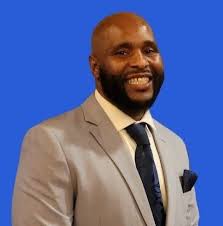
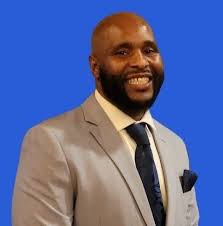






5. Eleana Little — Councilperson, Ward E (Downtown) Eleana Little represents Ward E (Downtown) after winning outright in the initial phase of the 2025 municipal election. A community advocate and environmental engineer with degrees from Rutgers and UC Berkeley, Little has been active in downtown neighborhood associations.
From Skeptic to Supporter
Politics of Life
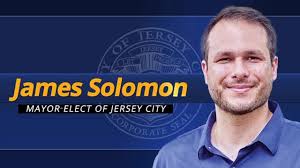
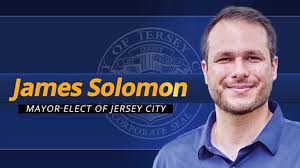
To be honest, I never believed he would win.
Once the race narrowed, and the opponent was a well-connected, well-financed former governor with name recognition stretching back decades, it felt inevitable who would win. Jersey City politics has a long memory, and history usually favors those with money, networks, and institutional backing. Like many constituents, I assumed the outcome was already decided long before the final votes were cast. And happily, I was wrong.
That assumption was wrong—and I’m glad it was.
What ultimately changed my mind wasn’t just the election result, but what it represented. This wasn’t a rejection of experience; it was a demand for accountability. It wasn’t anti-establishment for the sake of protest; it was pro-transparency, pro-process, and pro-resident. For once, the loudest voice in the room wasn’t money or nostalgia, but organization, persistence, and a clear message about how City Hall should work.
As a constituent, what stood out during the campaign was not grand promises, but a willingness to explain decisions, acknowledge constraints, and speak plainly. That matters. Too often, residents are treated as spectators to governance rather than participants in it. Policies are announced after the fact. Deals are explained only when challenged. Trust erodes not because people disagree, but because they feel excluded.
The incoming administration represents a break from that pattern—or at least a serious attempt to. The emphasis on openness, documented decision-making, and community engagement feels less like branding and more like intent. Transparency isn’t just about releasing information; it’s about respecting residents enough to tell them the truth early, even when the truth is complicated or unpopular.
There is also something powerful about seeing a campaign built on ground support overcome one built on money and legacy. It sends a message that votes still matter, that turnout matters, and that residents who show up consistently can shape outcomes—even against formidable odds. That lesson alone is healthy for a city that too often assumes political inevitability.
This is not blind optimism. Governing is harder than campaigning, and structural challenges don’t disappear with a new mayor. Compromise will still be necessary. Progress will still be uneven. Some decisions will disappoint. But there is a meaningful difference between difficult choices made behind closed doors and difficult choices explained in daylight.
by William Wiley
Craig Guy — Hudson County Executive
Craig Guy’s tenure as Hudson County Executive has marked a period of intentional service, expanded support, and community-focused initiatives for residents across the county. A lifelong Hudson County resident and former Jersey City police lieutenant of over 25 years, Guy brought deep local roots and decades of public service experience into county leadership. Since assuming office, Guy has tackled core community needs with measurable results. Under his leadership, the county has distributed over $41 million in rental assistance to more than 4,000 families, and it continues to lead statewide in delivering Temporary Assistance for Needy Families (TANF) services. Food security has been a major focus, with more than 55,000 residents receiving SNAP benefits, hundreds of food distribution events hosted, and plans are underway for permanent pantry locations in Hoboken and Bayonne. Guy’s administration also advanced the county’s Vision Zero Action Plan to reduce roadway fatalities and improve traffic safety. At the same time, investments in open space, playgrounds, and educational facilities underscore his commitment to quality of life and opportunity. Notably, the newly dedicated Craig Guy Center for Vocational Education at Bayonne High School reflects his support for workforce development and career readiness. His emphasis on service, affordability, and neighborhood support continues to shape Hudson County’s trajectory in meaningful ways.
State Senator Brian P. Stack
State Senator Brian P. Stack brings decades of steadfast public service and a record of hyper-local advocacy to his role in the New Jersey Legislature. Elected to the Senate in 2007, Stack also serves as Mayor of Union City, making him one of Hudson County’s longest-serving elected officials and a consistent voice for urban communities and working families. Stack’s career in public service began with grassroots tenant advocacy and civic engagement, and that spirit carries into his work at the State House. As Chair of the Senate Judiciary Committee and Vice-Chair of the Senate Community and Urban Affairs Committee, he has focused on legislation that strengthens criminal justice, supports housing policy reform, and advances urban development initiatives. In his dual roles, Stack has used his influence to secure state funding for local priorities, including millions in relief to help offset property tax burdens and targeted grants for community projects—efforts that demonstrate his commitment to fiscal support without increasing local tax pressures on residents. and Colleagues on both sides of the aisle praise Stack for his hands-on approach and accessibility. His long tenure as mayor—now historic in Union City—reflects sustained trust from his community, rooted in improvements to public safety, infrastructure upgrades, enhanced parks and schools, and direct constituent services that emphasize responsiveness and support. Above all, Stack’s blend of legislative leadership and local governance reflects a career dedicated to elevating the voices of urban residents and ensuring that policy decisions in Trenton translate into tangible improvements on Hudson County streets.
Know Your Assemblyperson
Making Our Voices Heard


Assemblyman Jerry Walker — New Jersey General Assembly, District 31
Jerry Walker is a lifelong Jersey City native who began his public service career rooted in community development and youth outreach. After an early basketball career that included collegiate play at St. Anthony High School and Seton Hall University, and professional seasons in Europe, Walker returned home to invest in his neighborhood through education and mentorship. Walker is the co-founder and CEO of Team Walker, a nonprofit organization that supports youth through academic enrichment, athletic programs, STEM learning, GED and ESL classes, and community services like free farmers markets. Over the years, Team Walker has grown into an important resource for families across Hudson County, serving hundreds of children and teens annually. Before his election to the Assembly, Walker served multiple terms as a Hudson County Commissioner, where he chaired the Family Services Committee and participated in boards such as the Planning Board and the New Jersey Association of Counties. His work in county government focused on issues like economic development, housing, public safety, and social services. In the 2025 general election, Walker ran alongside William Sampson on the Democratic ticket and won the seat with a strong majority in District 31, carrying over 33,000 votes in the Assembly race against Republican challengers. Walker has quickly positioned himself as a champion of education, transportation reliability, and lowering the cost of living for local families. His reputation among constituents is that of a hands-on community leader who bridges grassroots outreach with legislative service, translating local needs into state policy priorities.
Assemblyman William B. Sampson IV — New Jersey General Assembly, District 31
William B. Sampson IV also represents District 31 and brings a distinct working-class perspective to the legislature. Born and raised in Bayonne, Sampson graduated from Bayonne High School and earned an athletic scholarship to Clark Atlanta University before returning home. He works professionally as a crane operator at Bayonne Global Container Terminal and is an active member and liaison for the International Longshoremen’s Association (ILA) Local 1588, giving him deep ties to labor and economic justice advocacy. Sampson first entered the Assembly in 2022, becoming one of the youngest legislators in the state and the first African American representative from Bayonne. Since then, he has taken roles including Chair of the Assembly Consumer Affairs Committee and Vice Chair of the Labor Committee, as well as serving as Deputy Speaker of the General Assembly. In the 2025 election, Sampson and Walker carried the Democratic ticket in District 31, maintaining strong support from the Hudson County Democratic Organization and voters throughout Bayonne, Jersey City, and Kearny. Sampson’s legislative priorities emphasize worker protections, consumer rights, economic fairness, and investment in communities. He also launched the William Sampson Civic Association to assist district residents and address local concerns outside of Trenton. His reputation is anchored in grassroots advocacy and practical problem-solving, with a focus on policies that uplift working families and ensure equitable access to economic opportunity across his district.
Together, Assemblymembers Walker and Sampson represent a blend of community-based leadership and legislative experience, reflecting District 31’s diverse needs and priorities in the New Jersey Legislature.




Power Players on Your Side
Certifications That Can Jumpstart a Career—Without a Degree
by Arnold Stovell
As traditional college pathways become more expensive and less certain, certifications have emerged as a practical alternative for people looking to pivot or accelerate their careers. Popular career educator and YouTuber Shane Hummus often emphasizes a simple truth: employers increasingly care less about where you learned and more about what you can actually do. Certifications, when chosen wisely, can offer focused, job-ready skills with faster returns on investment.
One of the most consistently valuable certifications is Google’s Professional Certificates, particularly in fields like IT Support, Data Analytics, Project Management, and UX Design. These programs are respected because they are designed by employers, aligned with real job tasks, and accessible to beginners. They demonstrate competency, not theory, and often serve as a bridge into entry-level roles.
Another standout category is IT certifications, especially CompTIA credentials such as A+, Network+, and Security+. These certifications signal technical literacy and problem-solving ability—skills in constant demand across industries. Even outside traditional tech roles, understanding systems, networks, and cybersecurity is becoming essential as every business becomes more digital.
Data and analytics certifications also rank high for career mobility. Certifications that teach Excel, SQL, Python, or business intelligence tools help workers translate raw information into insights. Employers value people who can analyze trends, improve efficiency, and support decision-making, regardless of industry.
Digital marketing certifications, including those covering SEO, social media, content strategy, and paid advertising, are especially attractive for creatives and communicators. These credentials validate skills that can be applied immediately to businesses, nonprofits, and personal brands. In a media-saturated world, knowing how to reach and engage audiences is powerful currency.
Finally, project management certifications, such as entry-level PMI or agile credentials, are increasingly useful across sectors. They highlight organization, communication, leadership, and accountability—soft skills that employers constantly say are hard to find. These certifications often help professionals move into supervisory or coordinator roles quickly.
The common thread across these certifications is practicality. They are affordable, focused, and aligned with hiring needs. As Shane Hummus and other career educators frequently note, the goal isn’t collecting credentials—it’s building proof of skills that translate directly into income.
For career changers, recent graduates, and mid-career professionals alike, certifications offer a realistic, modern path forward—one that values ability over pedigree and results over tradition.
Finding Work
The Promise and Pitfalls of the Skilled Trades
By Arnold Stovell
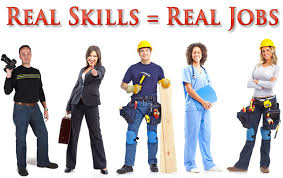
The skilled trades are often promoted as a straightforward alternative to college: high pay, strong demand, and work that cannot be outsourced or automated. For many people, especially those seeking stable, hands-on careers, trades such as electrical work, plumbing, HVAC, and carpentry offer real opportunity. However, beneath the optimistic messaging lies a more complex reality—one shaped by union access, apprenticeship bottlenecks, and uneven pathways into the most lucrative specialties.
Union membership remains one of the clearest routes to high wages, benefits, and job security in the trades. Yet joining a union is rarely simple. Entry is often competitive, influenced by timing, local demand, and limited apprenticeship slots. Applicants may face long waiting periods, multiple testing rounds, and selection processes that are far from transparent. For individuals without family connections or insider knowledge, gaining entry can feel arbitrary and discouraging, even when demand for skilled labor is publicly emphasized.
Apprenticeships, while essential for training, also present vulnerabilities. Apprentices are typically paid far less than fully licensed workers and may remain in this status for several years. During economic downturns or slow construction cycles, apprentices are often the first to be laid off, disrupting training progress and income stability. In some cases, incomplete apprenticeships can leave workers with partial skills but no credentials—limiting mobility and bargaining power.
Premium trades such as electrical and plumbing illustrate both the upside and the challenge. These fields command strong wages and long-term demand, yet access is tightly controlled due to licensing requirements, safety concerns, and union gatekeeping. While this protects quality and public safety, it also restricts entry. Non-union routes exist, but they may lack standardized training, benefits, and consistent wage progression, creating a two-tier system within the same profession.
Additionally, the physical demands of trade work are often underplayed. Injuries, wear and tear, and shorter career spans are real considerations, particularly for workers who start later in life or lack health coverage during apprenticeship years. Advancement into supervisory or ownership roles is possible, but it requires business skills that many workers are never formally taught.
The trades remain a vital and honorable career path, but they are not a universal solution. Policymakers, educators, and workforce leaders must be honest about the barriers while expanding access, improving transparency, and protecting apprentices. For individuals considering the trades, informed decision-making—rather than romanticized promises—is the strongest tool for long-term success.



UTN Media
Community • Culture • Accountability • Jersey City’s Independent Voice
We Reach Engaged, informed readers who care about local impact
Residents, families, professionals, and community leaders
Small business owners, nonprofit partners, institutional decision‑makers
Print + digital readers across Jersey City and Hudson County
Why it matters: Our readers trust us. Your message appears in a credible, community-centered environment.
Advertising Options
📰 Full Page – Maximum Impact
Best for: Brand storytelling, launches, major announcements
Own the page with bold visuals and headlines
Ideal for institutions, anchor organizations, and milestone moments
📰 Half Page – Strong Visibility
Best for: Programs, services, seasonal promotions
High attention without overwhelming the reader
A favorite for growing businesses and nonprofits
📰 Quarter Page – Smart & Efficient
Best for: Reminders, events, consistent presence
Budget-friendly visibility
Works great when repeated across issues
Print Advertising Rates (Per Issue)
Ad Size Dimensions Rate Ideal For
Full Page 10.25" x 15" $2,000 Major announcements, institutions, brand storytelling Half Page 10.25" x 7.5" $1,200 Programs, services, seasonal or 5" x 15" promotions
Quarter Page 5" x 7.5" $ 700 Events, reminders, consistent visibility
Multi-Issue Packages
3-Issue Run 10% off
6-Issue Run 15% off
12-Issue Run 20% off
Custom Quote: Best for brands looking to build recognition and trust over time.
Small Business & Nonprofit Rates
We proudly support local businesses and community organizations.
Discounted Nonprofit Pricing Available
Flexible Scheduling
Design Assistance Upon Request
Ask about Community Partner rates.
Digital Add-Ons (Options)
Website Feature $250/week
Newsletter Mention $150
Social Media Boost $100/wk./platform
Why Advertise With Urban Times News?
✔ Trusted local journalism
✔ Print + digital reach
✔ Community-centered audience
✔ Flexible packages for every budget
Ready to Advertise?
📧 editor@urbantimesnewsonline.com
🌐 www.urbantimesnewsonline.com
Be seen. Be trusted. Be part of the story.
Website Advertising Rates
Ad Size Ideal For Rate Full Panel Major announcements, institutions, $1000/2wk. brand storytelling Half Panel Programs, services, seasonal $ 600/2wk. promotions
Quarter Events, reminders, consistent $ 350/2wk. Panel visibility